
5 Signs Your Real Estate Business Needs a CRM
Losing leads, missing follow-ups, and flying blind on team performance? Here are 5 clear signs your real estate business in India needs a purpose-built CRM.
The CRM Question Every Growing Real Estate Business Faces
You started with a spreadsheet. Maybe a shared Google Sheet where your team logs leads from 99acres, MagicBricks, walk-ins, and referrals. For a while, it worked. When you had 50-100 leads per month and two salespeople, everyone knew who was handling what.
Then the leads grew to 300 per month. You added four more salespeople. You launched a new project. And suddenly the spreadsheet became a liability — not a tool.
The transition from spreadsheet to CRM isn't about technology preference. It's about a business reaching the point where manual processes actively cost you revenue. Here are the five unmistakable signs that your real estate business has reached that point.
Sign 1: Leads Are Falling Through the Cracks
A buyer submits an inquiry on 99acres at 10 PM. Your team sees it the next morning — but it gets buried under 15 other leads that came in overnight. Three days later, no one has called. The buyer has already visited a competitor's site.
This isn't a people problem. It's a systems problem. When leads arrive from multiple sources — property portals, Google Ads, Facebook campaigns, walk-ins, referrals, channel partners — without a central system that captures, assigns, and tracks each one, leads will slip through. It's mathematically inevitable once you cross a certain volume.
The real cost: In Indian real estate, the average lead-to-site-visit conversion rate is 8-15%. But research shows that contacting a lead within 5 minutes of inquiry increases conversion by 400% compared to contacting them after 30 minutes. If you're calling leads 24-48 hours after they inquire, you're leaving the majority of your conversions on the table.
What a CRM solves: Automatic lead capture from all sources into a single pipeline. Instant assignment to the right salesperson based on rules (project, location, source, round-robin). Automated first-response via WhatsApp or SMS within minutes of inquiry — even at 10 PM. And a clear flag for any lead that hasn't been contacted within your defined SLA.
Sign 2: Follow-Ups Are Inconsistent or Nonexistent
Real estate has one of the longest sales cycles of any industry. A buyer might inquire today, visit the site in two weeks, go quiet for a month, and then suddenly be ready to book. The window between "thinking about it" and "bought from your competitor" is narrow — and it's almost always determined by who followed up at the right time.
If your follow-up process depends on individual salespeople remembering to call back, you will lose deals. Not because your team is lazy, but because a human being managing 80-120 active leads cannot reliably remember that Mr. Sharma from the March 3 site visit said to call back after Holi, or that Mrs. Patel wanted to discuss pricing again after her husband returns from a business trip on March 20.
The real cost: Industry data suggests that 80% of real estate sales require at least 5 follow-up touches. But most salespeople stop following up after 2 attempts. The gap between these two numbers represents enormous lost revenue.
What a CRM solves: Automated follow-up sequences triggered by specific events (post-inquiry, post-site-visit, post-price-discussion). Task reminders that surface the right leads at the right time. WhatsApp and SMS templates that keep the conversation warm even between active selling efforts. And a timeline view that shows every interaction with a lead, so any team member can pick up the conversation without starting from zero.
Sign 3: You Can't Measure Your Sales Team's Performance
How many leads did Priya handle last month? What's Arjun's site-visit-to-booking ratio? Which salesperson converts the most walk-in leads versus portal leads? How long does it take your team, on average, to move a lead from inquiry to site visit?
If answering any of these questions requires asking the person directly or digging through spreadsheet tabs, you don't have visibility — you have anecdotes. And you can't manage what you can't measure.
The real cost: Without performance data, you can't identify who needs coaching, who deserves more leads, or which stage of your sales process is the bottleneck. You also can't tell whether a slow month is because lead quality dropped, follow-ups slipped, or your pricing isn't competitive — because all three look the same when you're flying blind.
What a CRM solves: Real-time dashboards showing every salesperson's lead count, response time, follow-up activity, site visits scheduled and completed, and conversion rates at each pipeline stage. Comparative analytics that show performance trends over time. And automated alerts when key metrics slip — for example, when average lead response time exceeds your target threshold.
This isn't about micromanaging your team. It's about giving them — and you — clear visibility into what's working and what needs attention. The best salespeople actually prefer working with CRMs because their strong performance becomes visible and measurable.
Sign 4: You're Losing Deals to Faster Competitors
Indian real estate in 2026 is more competitive than it's ever been. RERA has brought transparency, new launches are at record highs in markets like Bangalore, Hyderabad, Pune, and Chennai, and buyers have more choices than ever before.
In this environment, speed is a differentiator. The developer or broker who responds first, schedules the site visit fastest, sends the brochure immediately, and follows up consistently is the one who wins — even when they're not the cheapest option.
If your competitors are using a CRM and you're not, they have structural advantages you can't overcome with individual effort:
- Their leads get an automated WhatsApp response within 2 minutes. Yours wait until morning.
- Their salespeople get a notification with the lead's full history before calling. Yours call cold.
- Their site visit reminders go out automatically with location pins and project brochures. Yours depend on someone remembering to send them.
- Their post-visit follow-up sequence starts the same evening. Yours happens when the salesperson gets around to it.
The real cost: You won't see this as "lost deals" in any report because the leads simply never convert. They enter your funnel and quietly disappear to a competitor who ran a tighter process. The only signal is a conversion rate that underperforms the market.
What a CRM solves: Process automation that makes your response times and follow-up consistency competitive regardless of team size. When the system handles the mechanical work — instant responses, scheduled follow-ups, document sharing, reminders — your salespeople can focus on the human work: understanding requirements, building trust, and closing deals.
Sign 5: You Have No Visibility Into Your Sales Pipeline
Right now, how many active leads do you have across all projects? How many site visits are scheduled for next week? What's the total value of deals in the negotiation stage? How much revenue can you reasonably expect to close this quarter?
If the answer to any of these requires calling a meeting and asking your team to report their numbers, your pipeline is invisible. And an invisible pipeline makes everything harder — cash flow planning, project launch timing, marketing budget allocation, and staffing decisions all depend on knowing what's coming.
The real cost: Without pipeline visibility, decisions become reactive instead of proactive. You discover too late that a project's leads have dried up, or that your team is overloaded, or that your marketing spend on one channel is generating low-quality leads. By the time you have the information to act, weeks have been lost.
What a CRM solves: A visual pipeline that shows every deal at every stage — inquiry, qualified, site visit scheduled, site visit done, negotiation, booking, registration. Stage-wise analytics that tell you where deals are getting stuck. Revenue projections based on actual pipeline data rather than guesswork. And project-wise breakdowns that show exactly how each development is performing.
This visibility doesn't just help management. It helps your marketing team understand which channels produce quality leads. It helps your sales team prioritize their day. And it helps your finance team plan cash flows based on real pipeline data instead of optimistic estimates.
The Common Objection: "We're Too Small for a CRM"
This is the objection we hear most often, and it gets the causation backwards. You don't implement a CRM because you're big enough. You implement one so you can grow without the operational chaos that kills scaling.
Consider: a real estate business handling 200 leads per month with 4 salespeople is dealing with 50 leads per person. That's already at the edge of what can be managed manually with any consistency. Add a new project launch that spikes lead volume to 400, and the system collapses — not because your team isn't capable, but because spreadsheets and memory don't scale.
The right time to implement a CRM is before you need it desperately. The worst time is when you're in the middle of a launch and realize you can't manage the volume.
What to Look For in a Real Estate CRM for India
Not every CRM is built for Indian real estate. If you're evaluating options, prioritize:
Portal integration: Direct lead capture from 99acres, MagicBricks, Housing.com, and CommonFloor without manual imports.
WhatsApp-first communication: India's buyers live on WhatsApp. Your CRM should send automated messages, brochures, and follow-ups through WhatsApp Business API — not just email.
Channel partner management: If you work with brokers, they need a portal to submit leads and track commissions without calling your office.
Mobile-first design: Your sales team is at project sites, not sitting at desks. The CRM must work fully on mobile.
RERA compliance: Audit trails, document management, and transaction recording that meet RERA requirements.
At Khosha Systems, we built our Real Desk platform specifically for Indian developers and brokers who face these exact challenges. It's not a generic CRM adapted for real estate — it's built from the ground up for the way property is sold in India. If you recognized your business in three or more of the signs above, let's have a conversation about what a purpose-built CRM could do for your sales numbers.
More from Our Blog
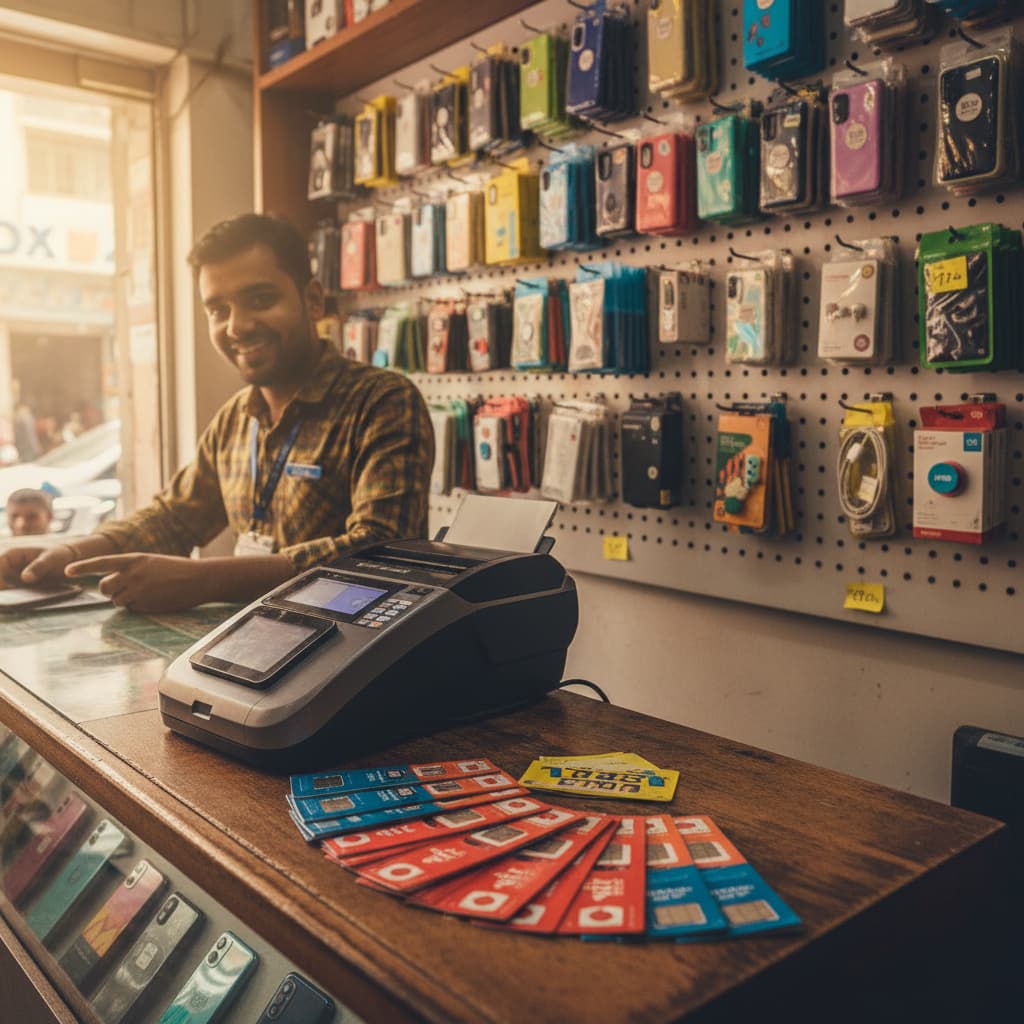
Why Telecom & Electronics Retailers in India Need Purpose-Built Software in 2026
Generic POS and billing software wasn't designed for IMEI tracking, brand scheme management, or serial-number-level inventory. Here's what telecom and consumer electronics retailers should look for in a retail management platform.
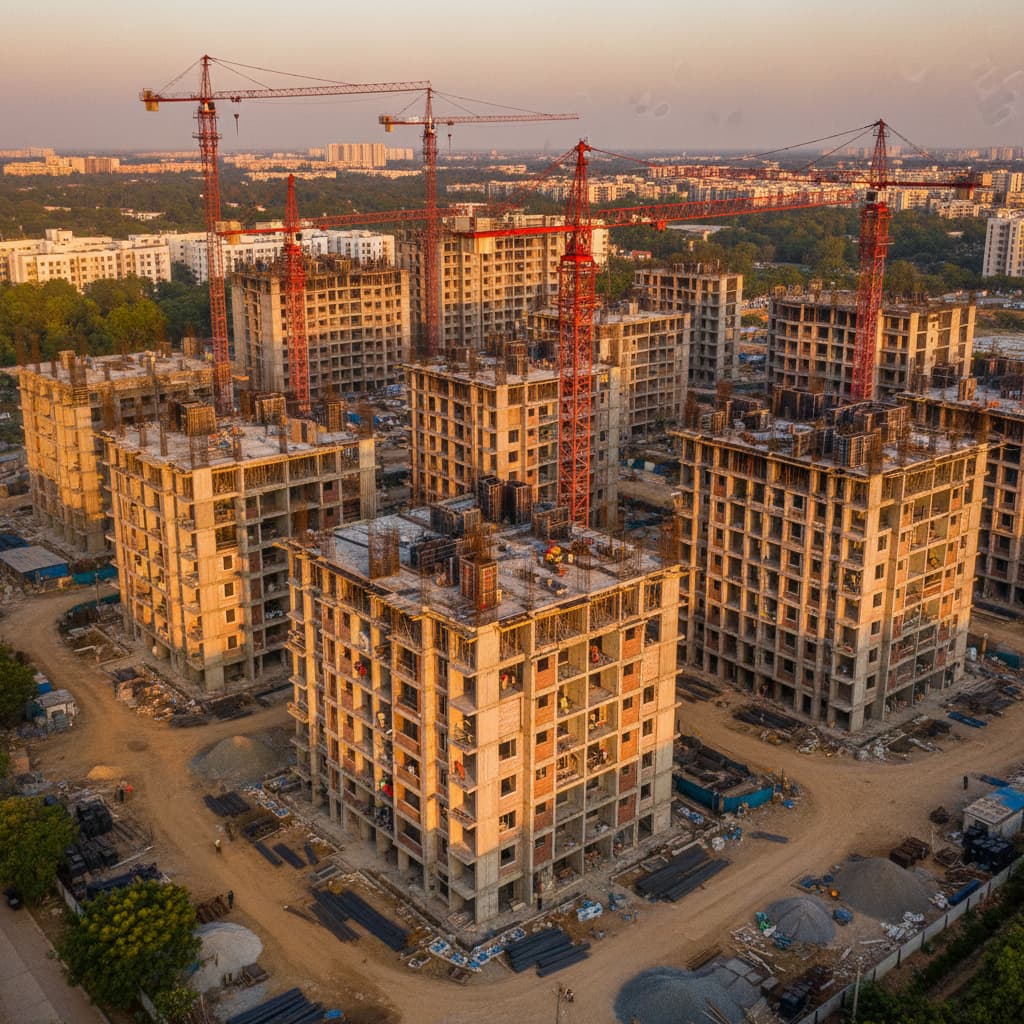
How to Choose the Right Real Estate CRM in India (2026 Guide)
A comprehensive guide to evaluating and selecting a CRM for Indian real estate developers and brokers. Covers RERA compliance, lead management from property portals, and the features that actually matter.