Clear stock before it expires
Expiry dates, batch numbers and shelf life decide what gets marked down and when.

From kirana stores to modern supermarkets, grocery retail runs on perishable stock, high-volume billing, weight-based pricing and expiry dates, often on legacy billing software and Tally.
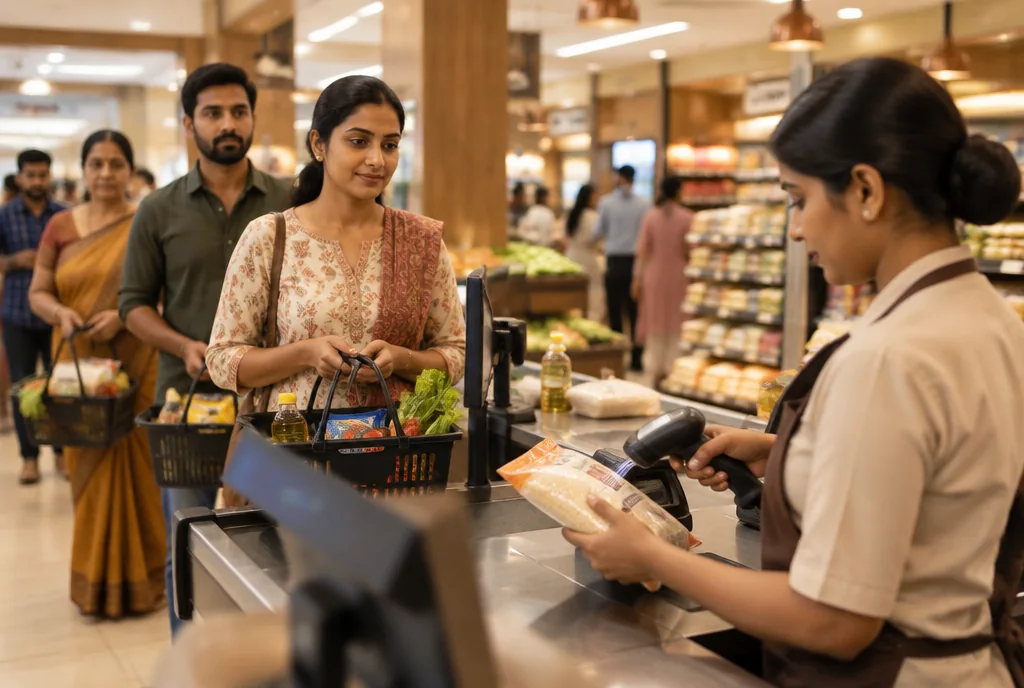
Legacy billing software and Tally-based setups were not built for perishable inventory, batch tracking or high-volume supermarket operations.
Who it is for
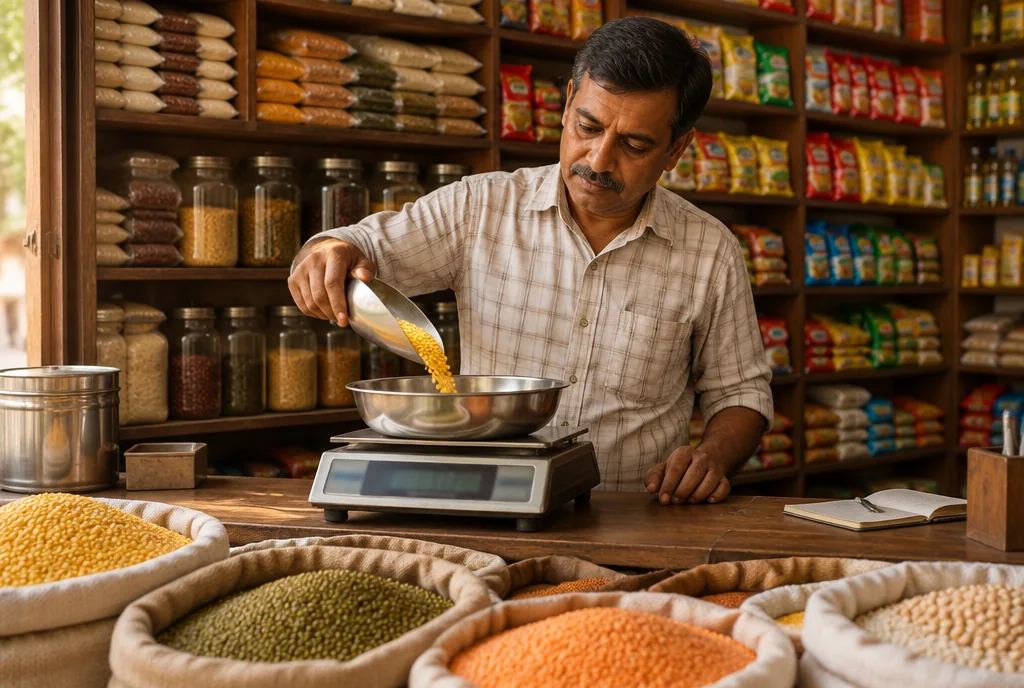
The jobs a grocery store or supermarket does at the till and in the stockroom.
Expiry dates, batch numbers and shelf life decide what gets marked down and when.
High-volume checkout means rapid barcode scanning and loose-item billing.
Fruits, vegetables, pulses and dry goods are weighed and billed per gram.
Purchase orders follow sell-through, minimum stock levels and supplier lead times.
FIFO stock with batch-level traceability, which FSSAI compliance depends on.
Dairy, FMCG, fresh produce and packaged goods carry different margins and need different shelf space.
Generic retail software doesn't understand expiry dates, batch numbers or weight-based pricing. RetailerOS, Khosha's retail operating system, is built around them.
Common questions about RetailerOS for grocery stores and supermarkets.
Whether you run a neighbourhood kirana store or a multi-location supermarket, RetailerOS scales with your business.
We're a team of six engineers, designers and strategists building systems together. Every business has layers, and every engagement has taught us how they connect. We engineer software that outlives the people who built it. If something here sounds like your business, we'd be glad to talk it through.